
In this entry
The A470 is the spine of Wales. It runs for about 186 miles from Cardiff Bay to the seafront at Llandudno, and it is the main road that runs the whole length of the country. Driving it end to end is the classic Welsh road trip: the Bannau Brycheiniog, the upper Wye, the Cambrian Mountains and Eryri in one line on the map.
It is not all great driving. The first stretch is dual carriageway through the valleys, and the towns slow you down. But the best sections are among the finest main roads in Britain, and they are linked by a road you cannot get lost on.
01Cardiff to Brecon
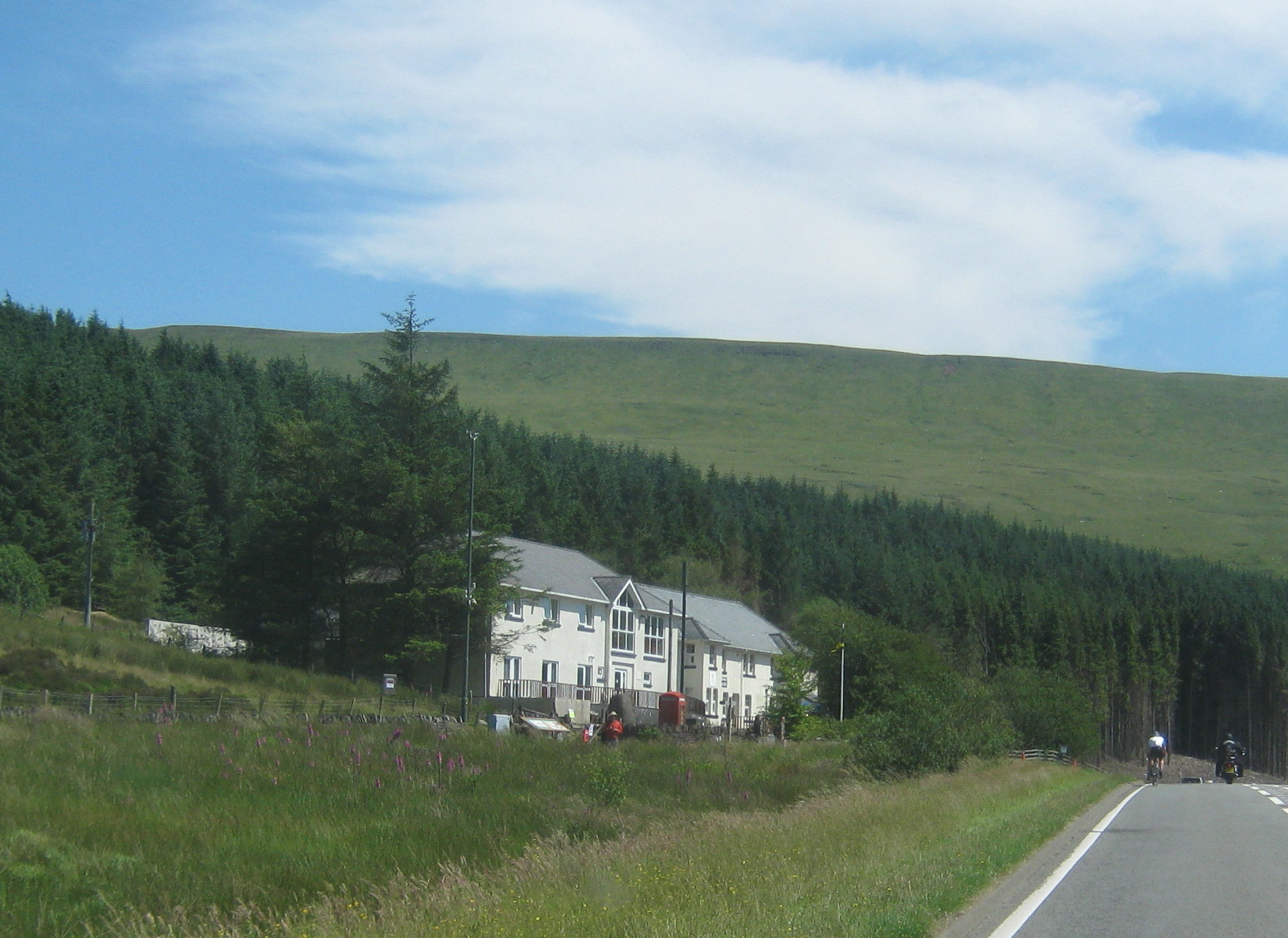
Dual carriageway takes you quickly up the Taff valley to Merthyr Tydfil. Then the road climbs into the Bannau Brycheiniog on the A470 over the Beacons, past the reservoirs and the Storey Arms under Pen y Fan, and down to Brecon. This is the first great stretch.
| Road | Class | Length | Time | Summit |
|---|---|---|---|---|
| Over the Beacons on the A470 | Driving road | 19.6 mi | 40 min | 440 m |
02Brecon to Llangurig
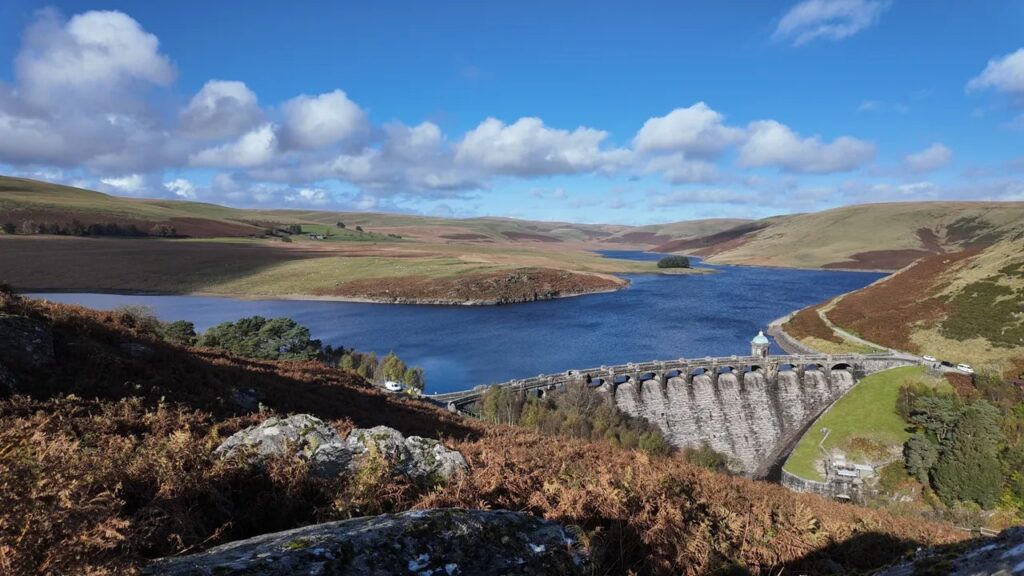
North of Brecon the road follows the Wye through Builth Wells and Rhayader, the gateway to the Elan Valley. The upper Wye on the A470 from Builth Wells to Llangurig is a quick, open road between the hills.
| Road | Class | Length | Time | Summit |
|---|---|---|---|---|
| The upper Wye on the A470 | Driving road | 22.2 mi | 45 min | 296 m |
| The Elan Valley and the mountain road | Scenic road | 25.8 mi | 50 min | 404 m |
03Llanidloes to Dolgellau
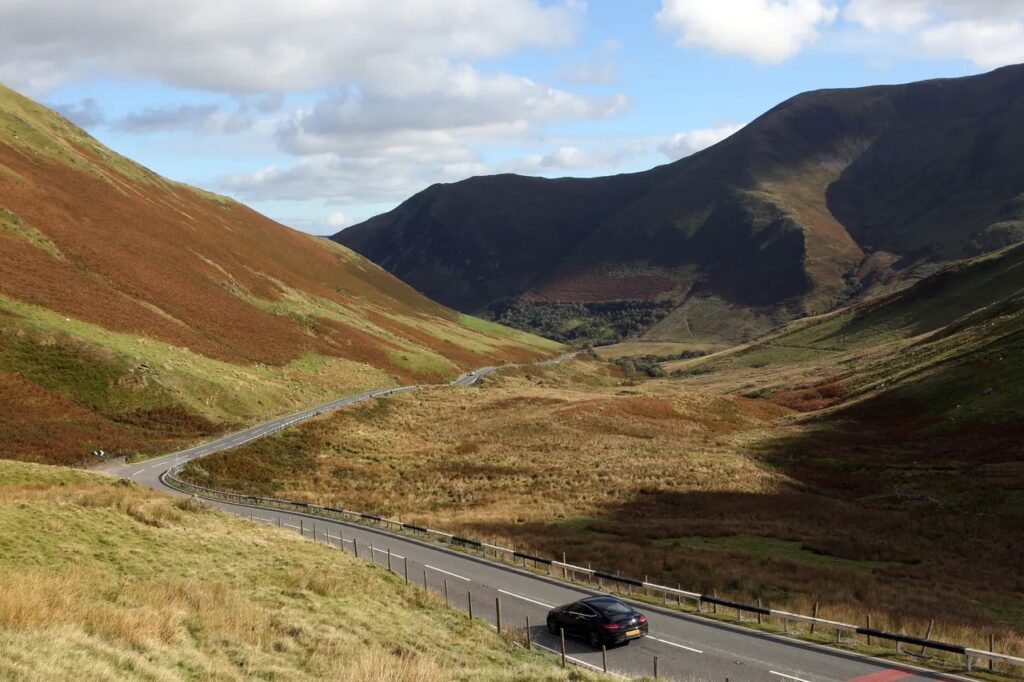
Through Llanidloes and Carno the road crosses quiet farmland, then climbs from Mallwyd to Bwlch Oerddrws, the pass above Dinas Mawddwy, part of our Tal-y-llyn and Bwlch Oerddrws route. It drops past the Cross Foxes to Dolgellau under Cadair Idris. This is the second great stretch, and the best place to stop for the night.
| Road | Class | Length | Time | Summit |
|---|---|---|---|---|
| Tal-y-llyn and Bwlch Oerddrws | Scenic road | 22.7 mi | 45 min | 363 m |
04Dolgellau to Llandudno
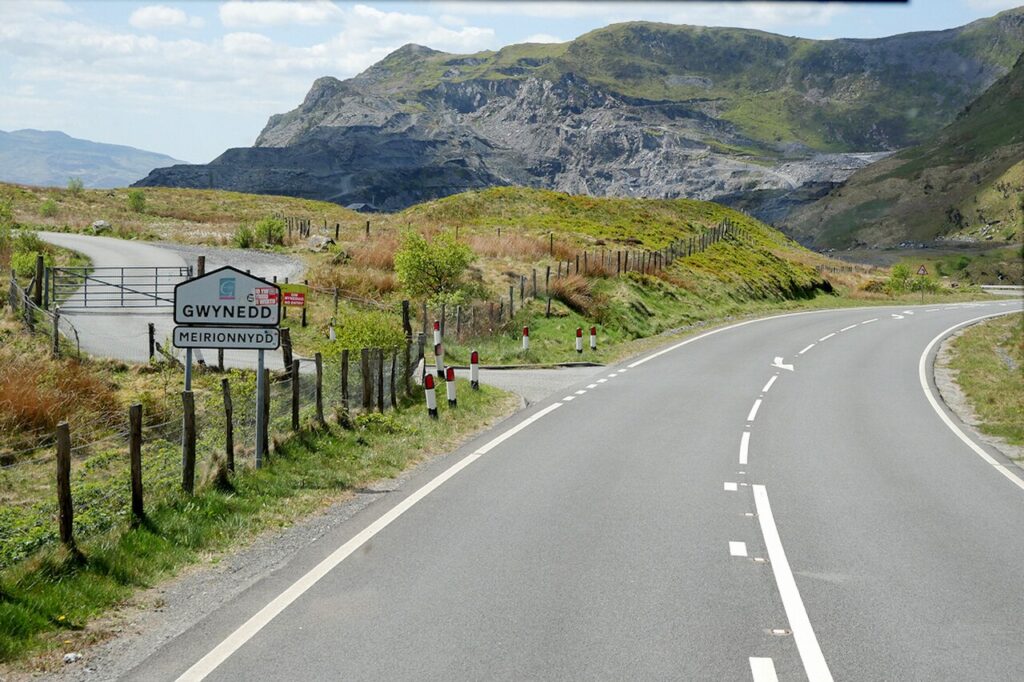
North of Dolgellau the road crosses the moors to Trawsfynydd, through Blaenau Ffestiniog and over the Crimea Pass to Betws-y-Coed. The last stretch follows the Conwy valley through Llanrwst to the coast, with the Great Orme waiting at the end.
| Road | Class | Length | Time | Summit |
|---|---|---|---|---|
| The Crimea Pass | Driving road | 13.2 mi | 25 min | 386 m |
| The Great Orme and the Conwy valley | Scenic road | 26.2 mi | 50 min | 153 m |
05How long does it take?
With no stops, around five hours. As a road trip, give it two days with a night in Dolgellau, and add detours: Bwlch y Groes from Dinas Mawddwy, the Dylife mountain road from Llanidloes, or the Llanberis Pass from Betws-y-Coed.
06Where to stay
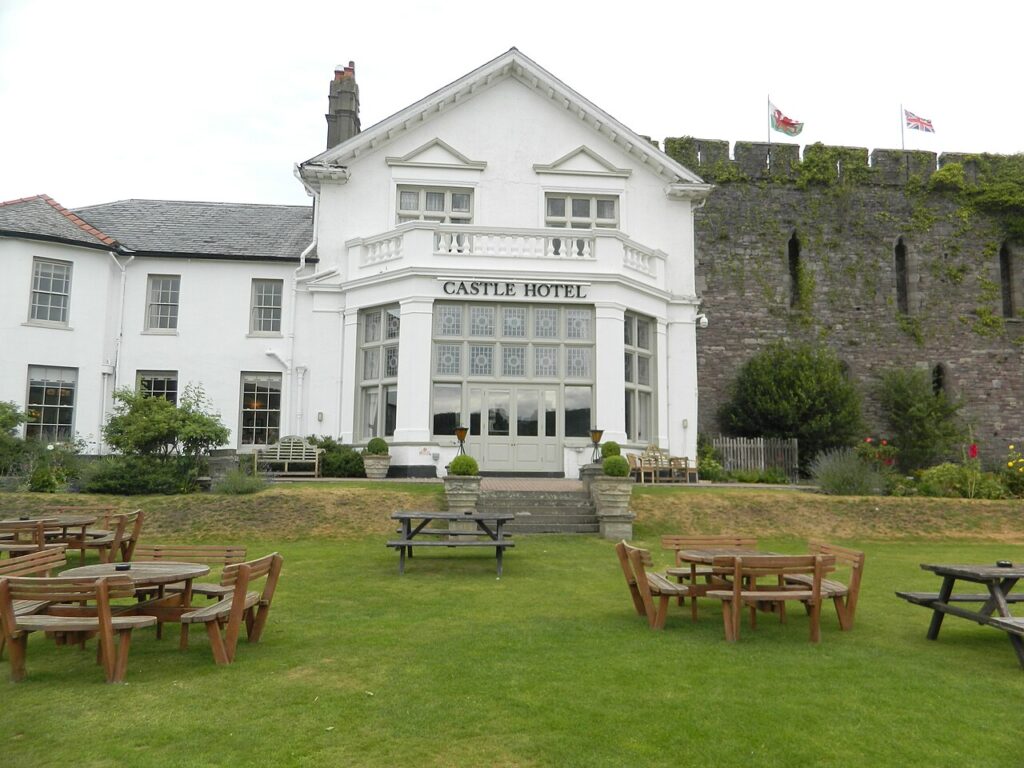
Castle of Brecon Hotel
A coaching hotel built from 1809 into the remains of Brecon's Norman castle, above the Usk, with 43…
Check rates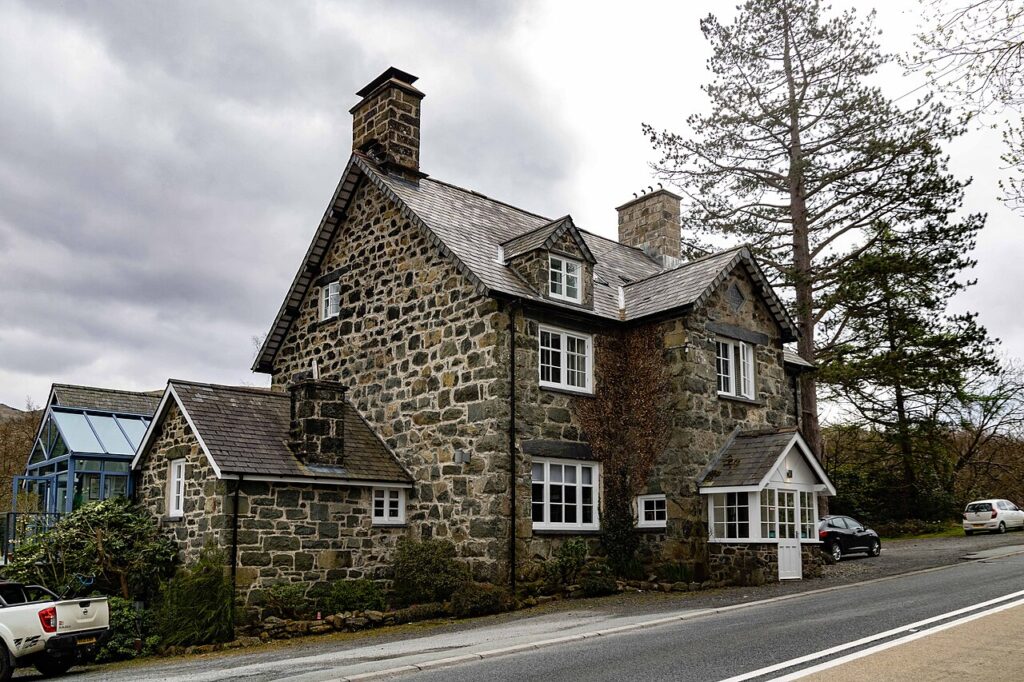
Cross Foxes
A Grade II listed 1859 inn at the junction of the A470 and A487 below Cadair Idris, now…
Check rates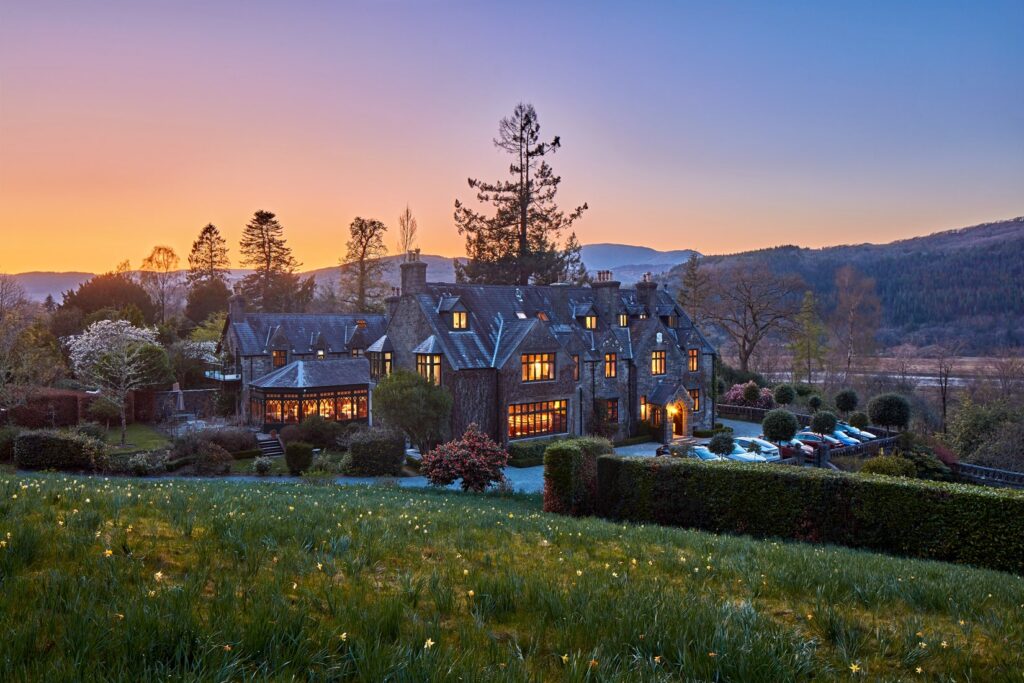
Penmaenuchaf Hotel
A Victorian country house hotel of around 1860 above the Mawddach estuary at Penmaenpool, with 14 bedrooms and…
Check rates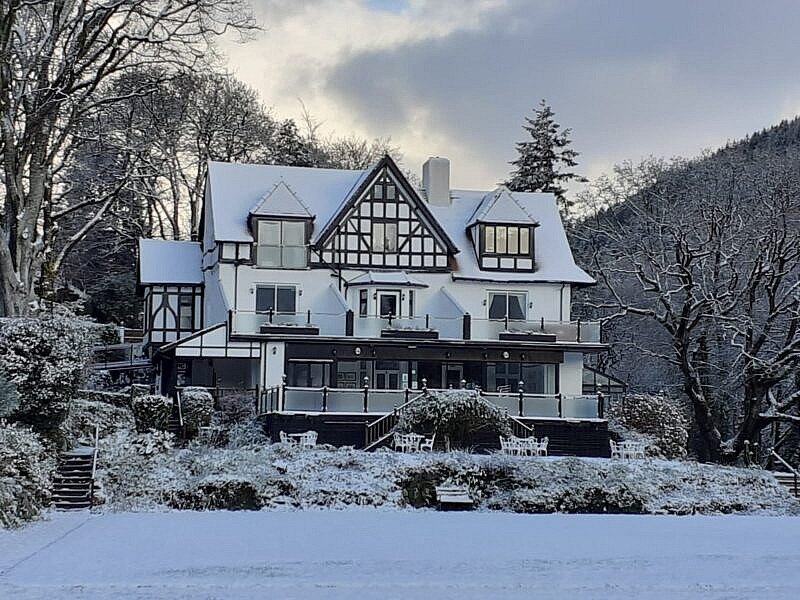
Craig-y-Dderwen Riverside Hotel
A late Victorian country house hotel in its own grounds on the River Conwy at the edge of…
Check rates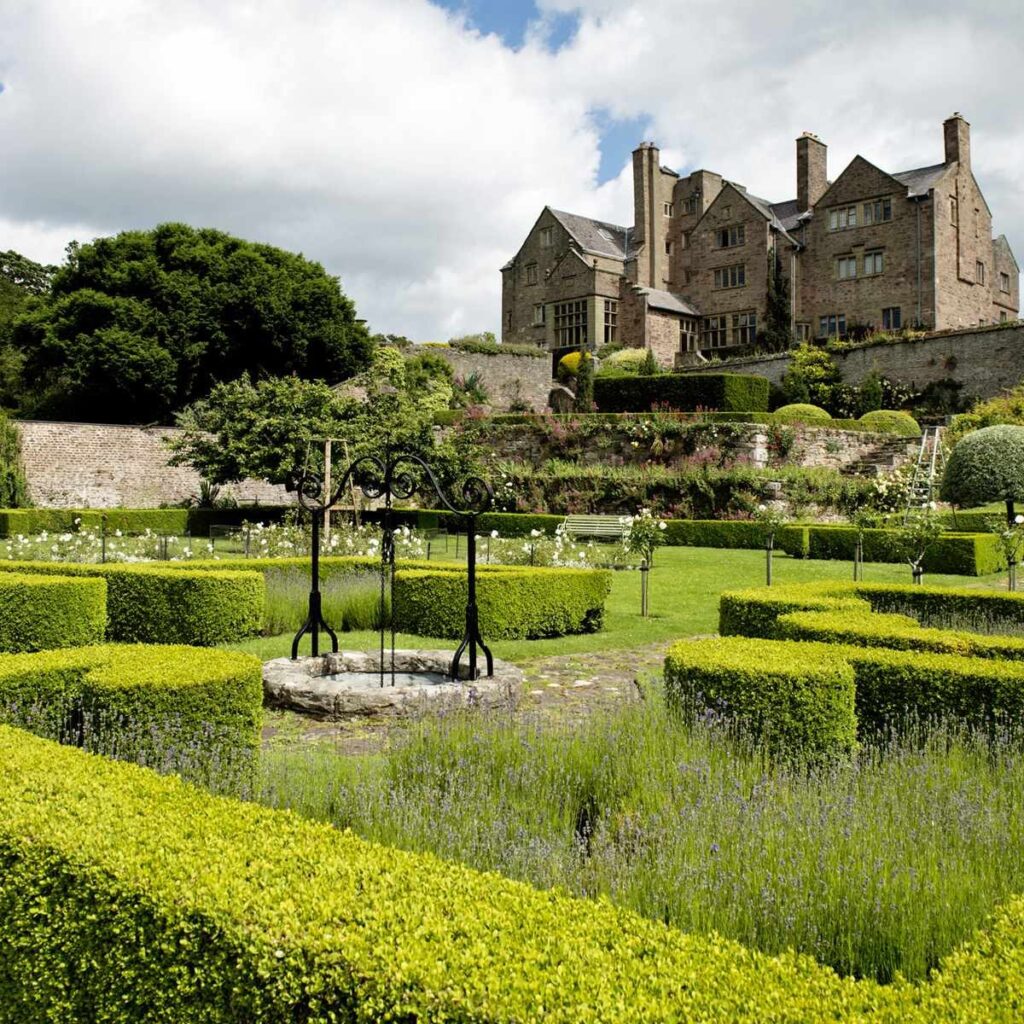


Bodysgallen Hall & Spa
A Grade I listed seventeenth century house hotel owned by the National Trust, in 200 acres above Llandudno,…
Check ratesFor the mountain roads either side of it, see our three-day road trip.
07Quick answers
- How long is the A470?
- About 186 miles, from Cardiff Bay to Llandudno. It is the longest road in Wales.
- How long does it take to drive the A470?
- Around five hours without stops. As a road trip, allow two days with a night in Dolgellau.
- What is the best part of the A470?
- The climb over the Beacons between Merthyr Tydfil and Brecon, and the pass at Bwlch Oerddrws between Dinas Mawddwy and Dolgellau.
Reviewed by Drive Tour Wales in November 2026. Conditions, limits and opening times change, so check before you travel.