The back road from Raglan to Chepstow, 13.0 miles on our line, leaves the A40 and the A449 to the traffic and crosses the hills between the Usk and the Wye instead. From Raglan a lane runs south east through Llansoy to join the B4293 at Llanishen, and the B4293 then follows the Trellech ridge through Devauden, at 254 m the highest point on our line, before dropping through Itton and its woods into Chepstow.
It runs from one castle to another. Raglan Castle was begun in the 1420s and 1430s, and its hexagonal Great Tower, the Yellow Tower of Gwent, stands apart within its moat; the castle surrendered to Parliament in August 1646 after a siege and was slighted, and Cadw cares for it now. At Devauden, John Wesley preached his first sermon in Wales on the village green on 15 October 1739, and south of the village Chepstow Park Wood is Forestry Commission woodland. At the end of the road, Chepstow Castle stands on the cliffs above the Wye: begun in 1067 under William FitzOsbern, it is the oldest surviving post-Roman stone fortification in Britain.
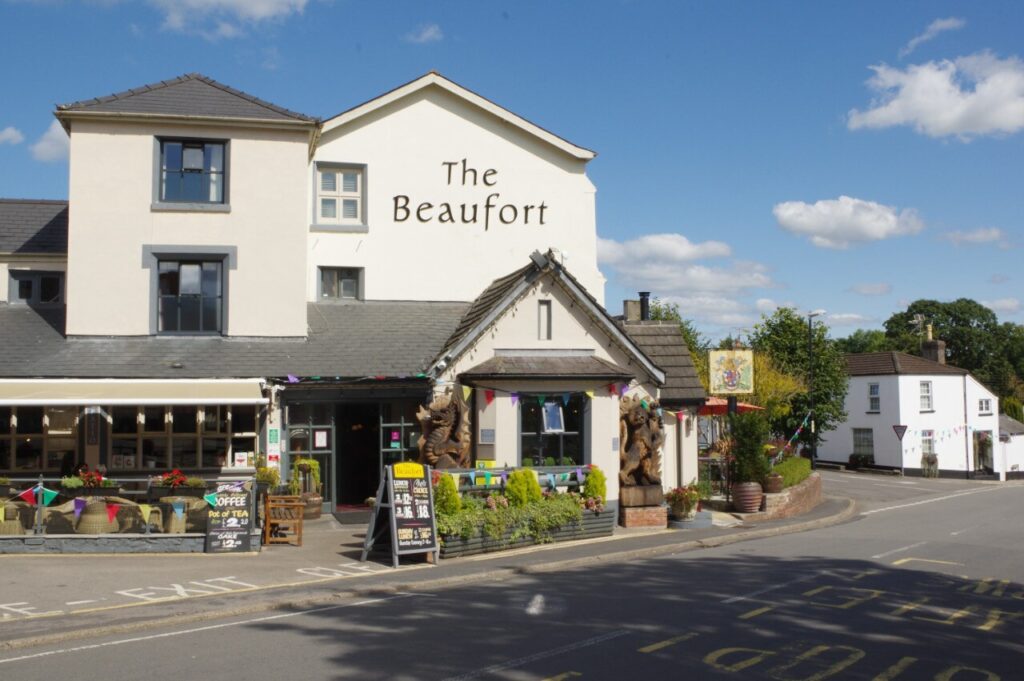
Stay at The Beaufort in Raglan, a coaching inn with sixteen rooms. From Chepstow, the Wye Valley road runs north by Tintern to Monmouth, and the A40 from Monmouth back to Raglan closes the loop.
Good to know
- 01The lanes from Raglan to Llanishen are narrow in places, with farm traffic. Take them gently.
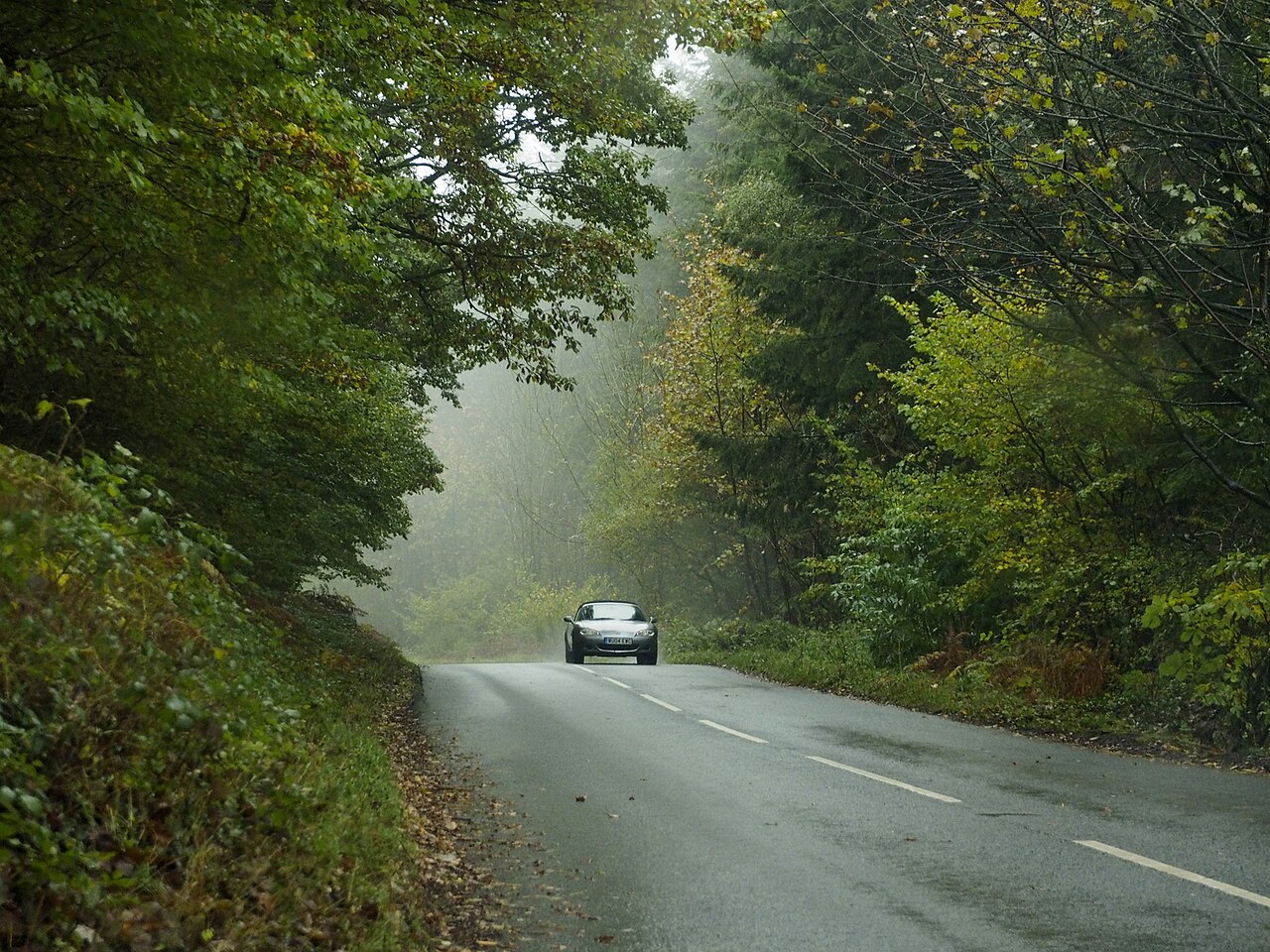
- 02Under the trees south of Devauden the road can stay wet long after rain.
- 03Chepstow is busy on race days at the racecourse, so allow time at the end of the road.
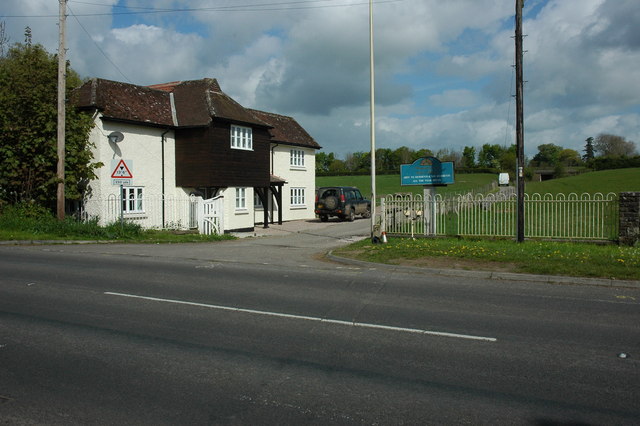
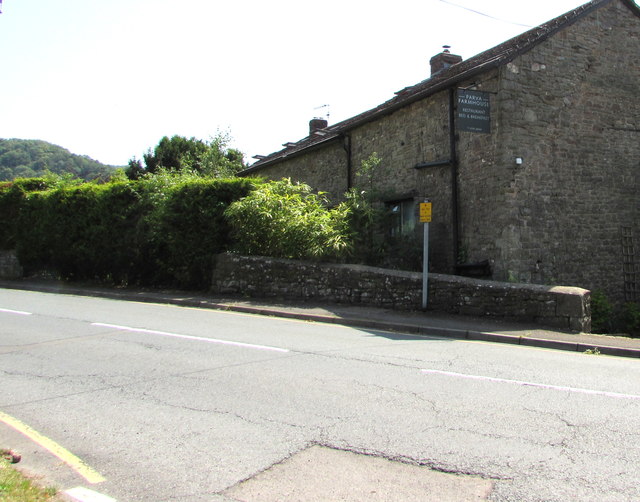
Photo: B4293 south of Devauden – geograph.org.uk – 6313118 by Jonathan Billinger, CC BY-SA 2.0