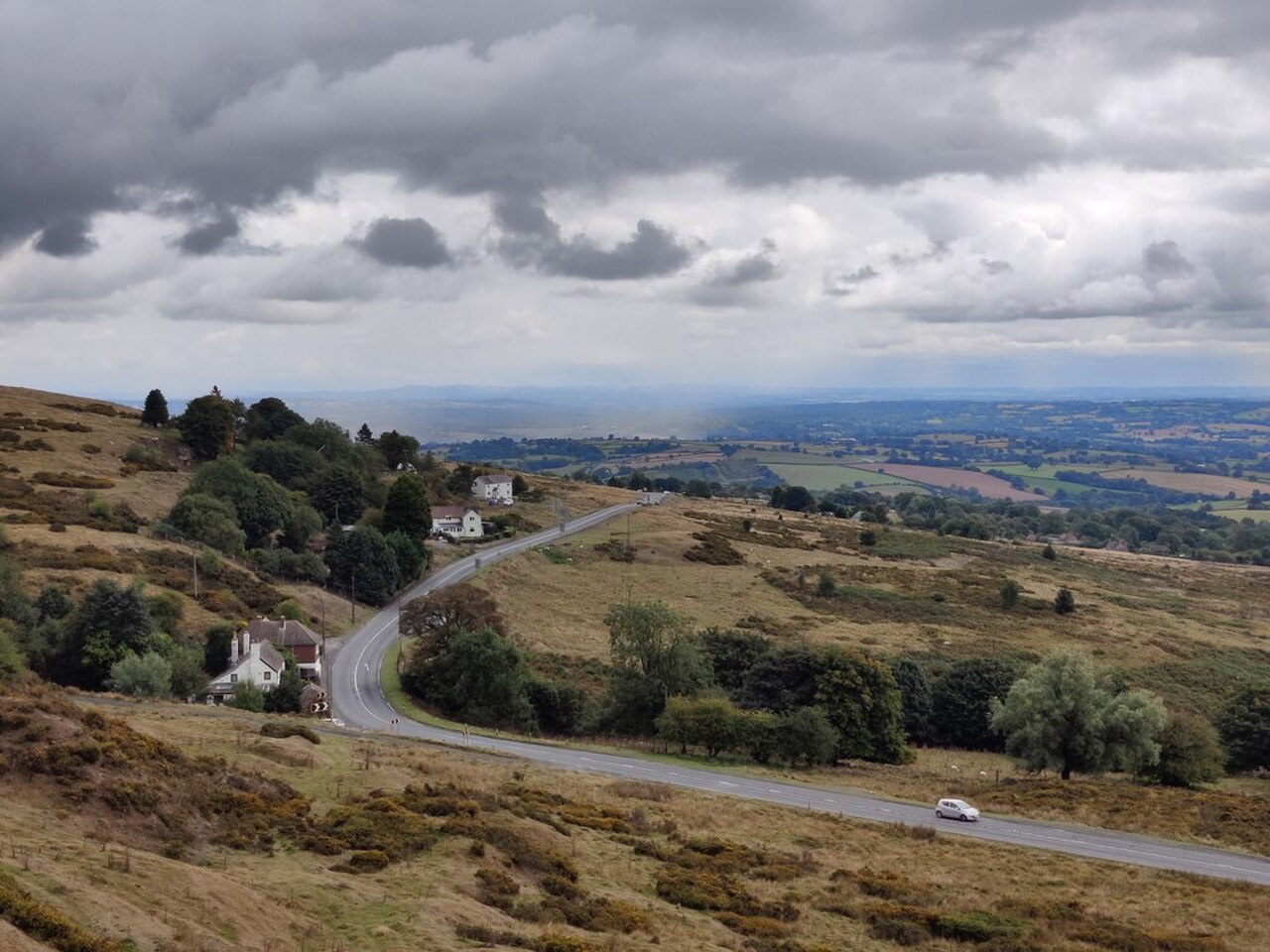
The Wye Valley drive is the A466 from Chepstow to Monmouth by Tintern, through the lower Wye gorge where the river forms the border between Wales and England. Our 16.9 mile line runs from Chepstow to Monmouth and tops out at 145 m on the climb out of Chepstow. The whole valley is an Area of Outstanding Natural Beauty, designated in 1971, and the only protected landscape to straddle the border.
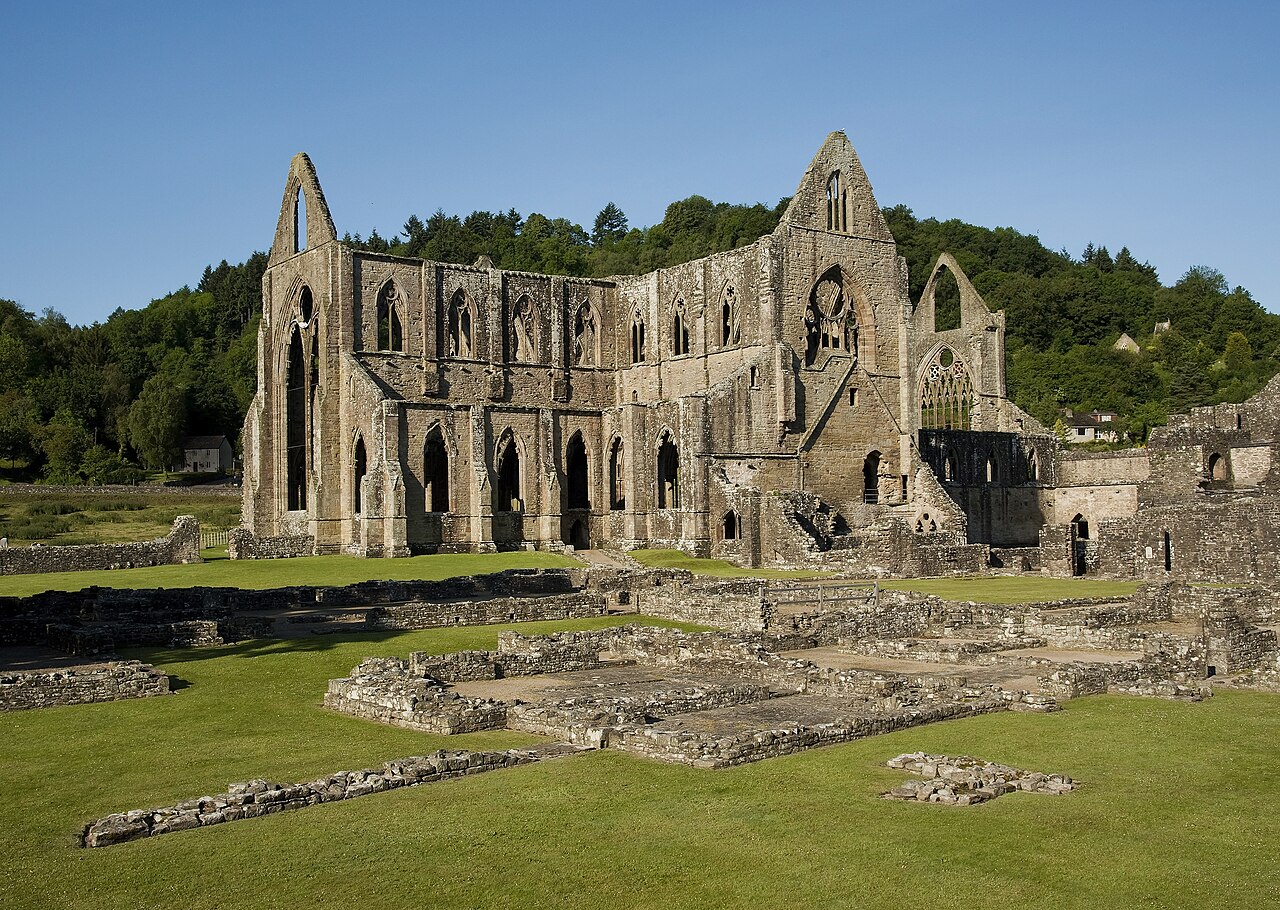
We start at Chepstow Castle, on the cliffs above the Wye and the oldest surviving post-Roman stone fortification in Britain, begun in 1067. The A466 climbs over the racecourse and drops into the gorge, then follows the river’s loops through hanging woods to Tintern. The ruined abbey stands right beside the road. It was founded in 1131, the first Cistercian house in Wales, and inspired Wordsworth and Turner. The last abbot surrendered it to Henry VIII in 1536, and Cadw has cared for the ruins since 1984. Pull in and walk round it: the scale of the church still surprises.
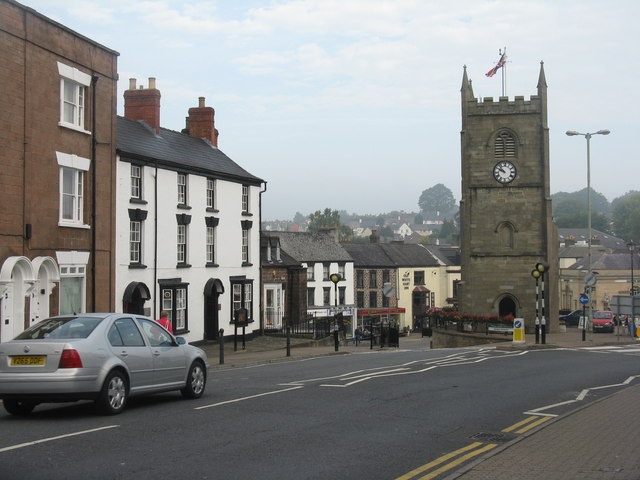
It carries on beside the water through Llandogo and over Bigsweir Bridge, opened in 1827, to Monmouth, birthplace of Henry V and of Charles Rolls, co-founder of Rolls-Royce, whose statue stands in Agincourt Square. We would drive it south to north, so the gorge opens out ahead of you after Chepstow.
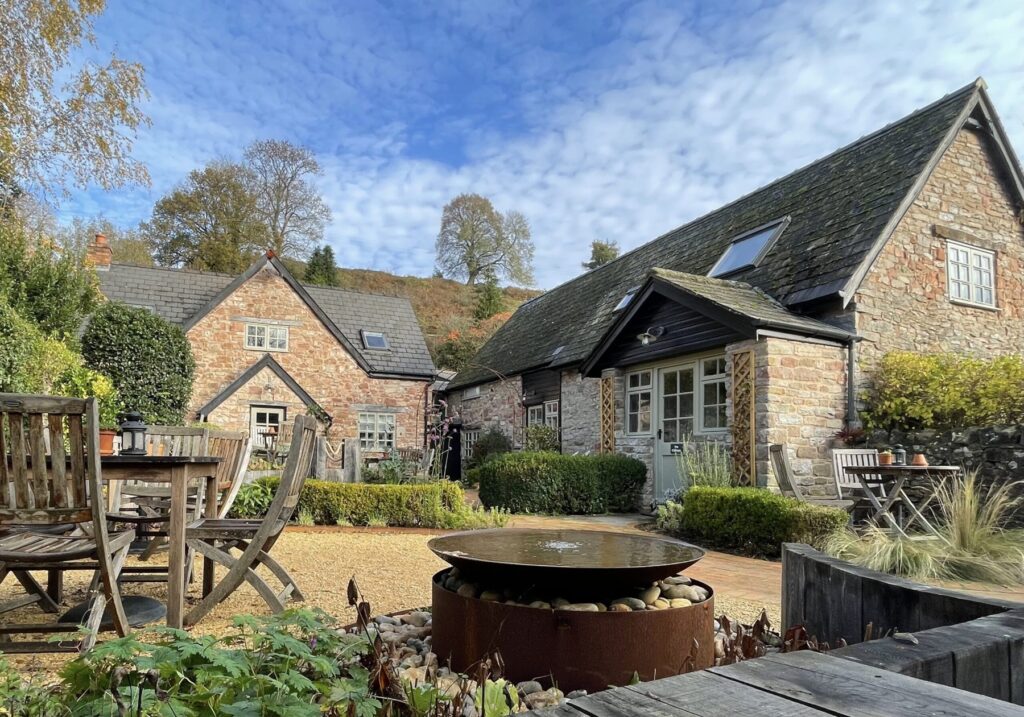
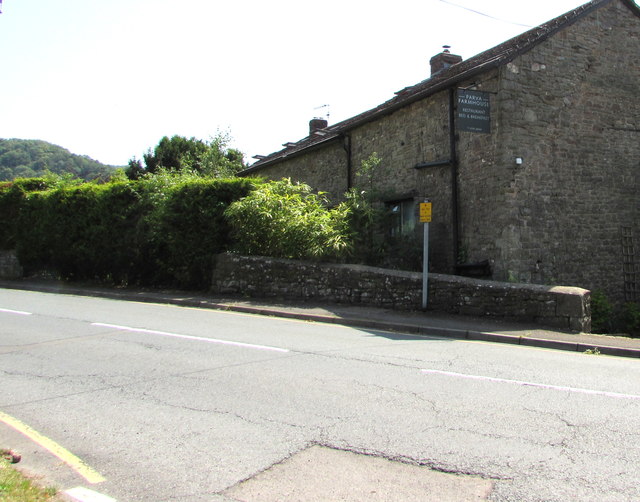
Stay at The Whitebrook, a restaurant with rooms in a side valley off the A466, or across the river at Tudor Farmhouse in Clearwell. Parva Farmhouse at Tintern is the riverside lunch. From Monmouth, the Forest of Dean and the B4224 along the Wye carry on into England.
Good to know
- 01The A466 is narrow through Tintern and busy on summer weekends.
- 02Parking at Tintern Abbey is limited. There are more spaces at the Old Station.
- 03The Old Station Tintern has a tearoom open Tuesday to Sunday, 10am to 4pm, and short walks by the river. Its lower overflow car park is locked from 4.30pm.
- 04The road crosses the England and Wales border three times. Most of it is a county road, so check Monmouthshire County Council for closures.
- 05Tintern Abbey and Chepstow Castle are both in the care of Cadw.
Photo: Tintern Abbey and Courtyard by Saffron Blaze, CC BY-SA 3.0